How Agentic AI Reduces Costs and Increases Productivity Across Every Industry
Agentic AI is transforming the way businesses operate, offering revolutionary advancements that reduce costs and boost productivity across various sectors. Unlike traditional AI systems that require human intervention for decision-making, agentic AI operates autonomously, capable of perceiving its environment, making decisions, and executing tasks without constant human oversight. This autonomous nature enables businesses to streamline processes, optimize resource utilization, and respond swiftly to changing conditions—ultimately driving significant cost savings and enhanced operational efficiency.
Understanding Agentic AI and Its Capabilities
Agentic AI refers to artificial intelligence systems designed with agency—the ability to act independently to achieve goals. These systems are equipped with advanced algorithms that enable them to learn from experience, adapt to new situations, and make strategic decisions. This contrasts with passive AI models that only analyze data or provide recommendations.

Because agentic AI can proactively identify problems, devise solutions, and implement actions, it significantly reduces the need for human involvement in routine or complex decision-making. This capability has far-reaching implications for industries that rely on timely, accurate, and scalable operations.

Reducing Operational Costs Through Automation and Optimization
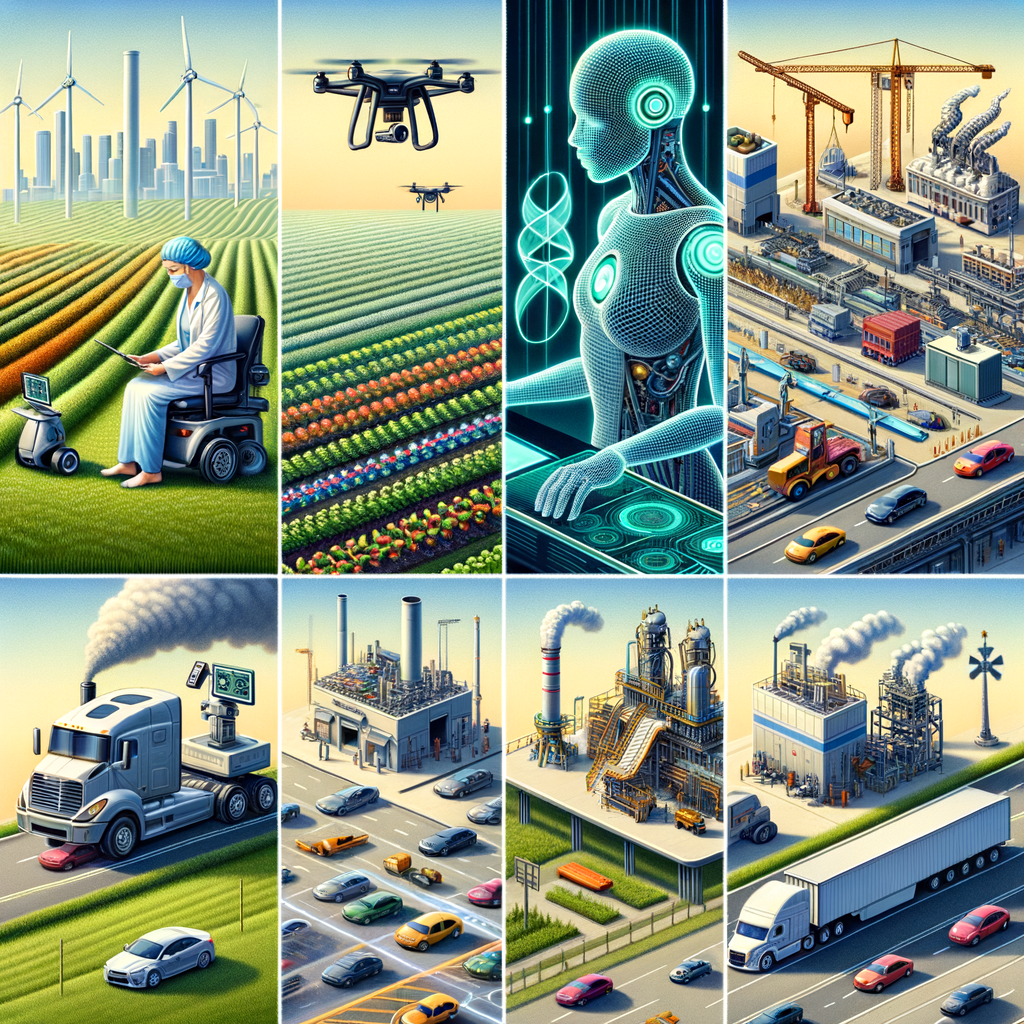
One of the primary ways agentic AI reduces costs is by automating labor-intensive and repetitive tasks. In manufacturing, for instance, agentic AI-powered robots can manage assembly lines, perform quality checks, and adjust machinery settings in real time to minimize defects and waste. This leads to lower labor costs, reduced material losses, and less downtime.
In the financial sector, agentic AI automates transaction processing, fraud detection, and compliance monitoring. By handling these tasks efficiently, banks and financial institutions decrease reliance on large teams of analysts and auditors, cutting overhead expenses while improving accuracy.
Retail companies also benefit from agentic AI through optimized inventory management. These systems can predict demand fluctuations, automate reordering, and adjust pricing strategies to maximize sales and minimize stockouts or excess inventory—directly impacting the bottom line by reducing holding costs.
Boosting Productivity Across Diverse Industries
Agentic AI not only cuts costs but also enhances productivity by enabling faster and more informed decision-making. In healthcare, for example, agentic AI systems assist with diagnostics by analyzing medical images and patient data to identify conditions earlier than traditional methods. This leads to quicker treatment, better patient outcomes, and improved workflow efficiency for medical professionals.
In logistics, agentic AI optimizes route planning and fleet management by continuously analyzing traffic patterns, weather, and delivery schedules. This reduces fuel consumption, shortens delivery times, and maximizes vehicle utilization, resulting in higher throughput and customer satisfaction.
Even creative industries like marketing and content production benefit from agentic AI’s ability to generate personalized campaigns, analyze consumer behavior, and adapt strategies in real time. This agility allows companies to respond to market trends swiftly and maximize engagement with their audiences.
Cross-Industry Applications Highlight the Versatility of Agentic AI
The impact of agentic AI is not limited to specific fields; its versatility enables widespread adoption. Agriculture, for example, uses agentic AI-driven drones and sensors to monitor crop health, optimize irrigation, and predict yields. This precision farming reduces water and fertilizer use, lowering input costs while increasing harvest quality.
Energy companies deploy agentic AI to manage smart grids and predict equipment failures before they occur, minimizing downtime and maintenance expenses. Similarly, in customer service, AI agents can handle inquiries autonomously, providing round-the-clock support without expanding human teams.
Challenges and Considerations for Implementation
While the benefits of agentic AI are substantial, organizations must address challenges such as data privacy, security, and ethical considerations. Ensuring transparency in AI decision-making and maintaining human oversight where necessary are crucial to building trust and preventing unintended consequences.
Moreover, integrating agentic AI with existing systems requires careful planning and skilled personnel. Companies must invest in training and change management to realize the full potential of these technologies.
Conclusion
Agentic AI represents a paradigm shift in how industries approach cost reduction and productivity enhancement. Its autonomous capabilities enable businesses to automate complex tasks, optimize operations, and make data-driven decisions swiftly. From manufacturing and healthcare to agriculture and customer service, agentic AI’s influence is profound and growing.
By embracing this technology thoughtfully, organizations can unlock significant competitive advantages, reduce operational expenses, and drive sustainable growth in an increasingly dynamic market environment. The future of industry is agentic, and the opportunities it presents are vast and exciting.