The AI Workforce Is Here: How Intelligent Agents Shape Business
Introduction to the Autonomous Era
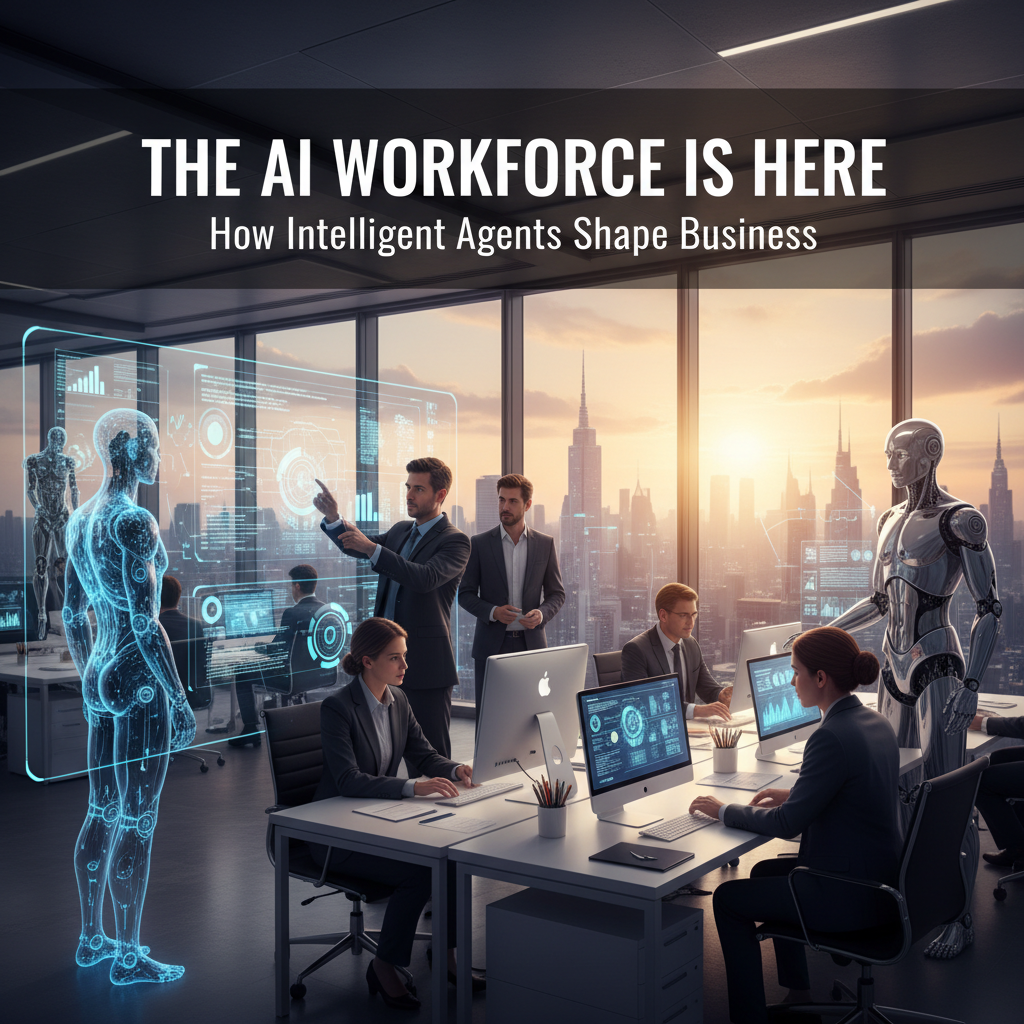
We are witnessing a massive shift in how modern enterprises function. Artificial intelligence has rapidly evolved from simple chat applications into autonomous systems capable of executing complex workflows with minimal supervision. This emerging landscape introduces a new kind of workforce comprised of software-driven entities that can plan, reason, and execute goals independently. Rather than merely answering prompt queries, these systems actively solve business problems, altering daily operations across multiple industries.
What Are Intelligent Agents?
To understand this workplace transformation, we must look beyond traditional software. Conventional automation requires rigid, pre-determined rules and constant human oversight. In contrast, modern autonomous agents utilize advanced reasoning to interpret overarching goals, select appropriate digital tools, and navigate unexpected obstacles dynamically.
- Goal-Driven Execution: Instead of executing a single pre-written script, these programs break down large objectives into manageable subtasks.
- Tool Utilization: They can independently interact with enterprise software, APIs, databases, and communication platforms.
- Continuous Adaptation: They learn from previous iterations, refining their approach over time to optimize performance.
Transforming Core Business Operations
The integration of digital coworkers is reshaping departments from customer support to software development. In customer service, autonomous systems manage complete inquiry lifecycles, pulling order history and resolving complex issues without human intervention unless escalation is required. Similarly, software engineering teams leverage autonomous programs to write, test, and deploy routine code, allowing human engineers to focus on high-level architecture.

Boosting Productivity and Focus
By delegating repetitive, process-driven responsibilities to digital workers, companies eliminate administrative bottlenecks. Employees are freed from tedious data entry, scheduling, and formatting tasks, allowing them to channel their energy into innovation, relationship building, and strategic planning. This shift maximizes operational efficiency while significantly boosting employee satisfaction.

Navigating Implementation Challenges
Despite the immense potential, introducing digital labor into an organization requires careful planning. Companies must address critical hurdles such as integration complexity, data privacy, and infrastructure readiness. Establishing robust security guardrails ensures that autonomous systems operate within compliance parameters while maintaining transparency.
The Human-in-the-Loop Model
Most forward-thinking organizations maintain a collaborative approach where critical decision paths still pass through human gatekeepers. This strategy builds institutional trust, minimizes risk, and ensures that technology augments human capability rather than replacing core human judgment.
Conclusion
The rise of the digital workforce marks a permanent turning point in corporate history. Businesses that proactively embrace these technologies will unlock unprecedented levels of efficiency, agility, and market competitiveness. By striking the right balance between automation and human oversight, organizations can build a resilient future where people and intelligent systems thrive together.