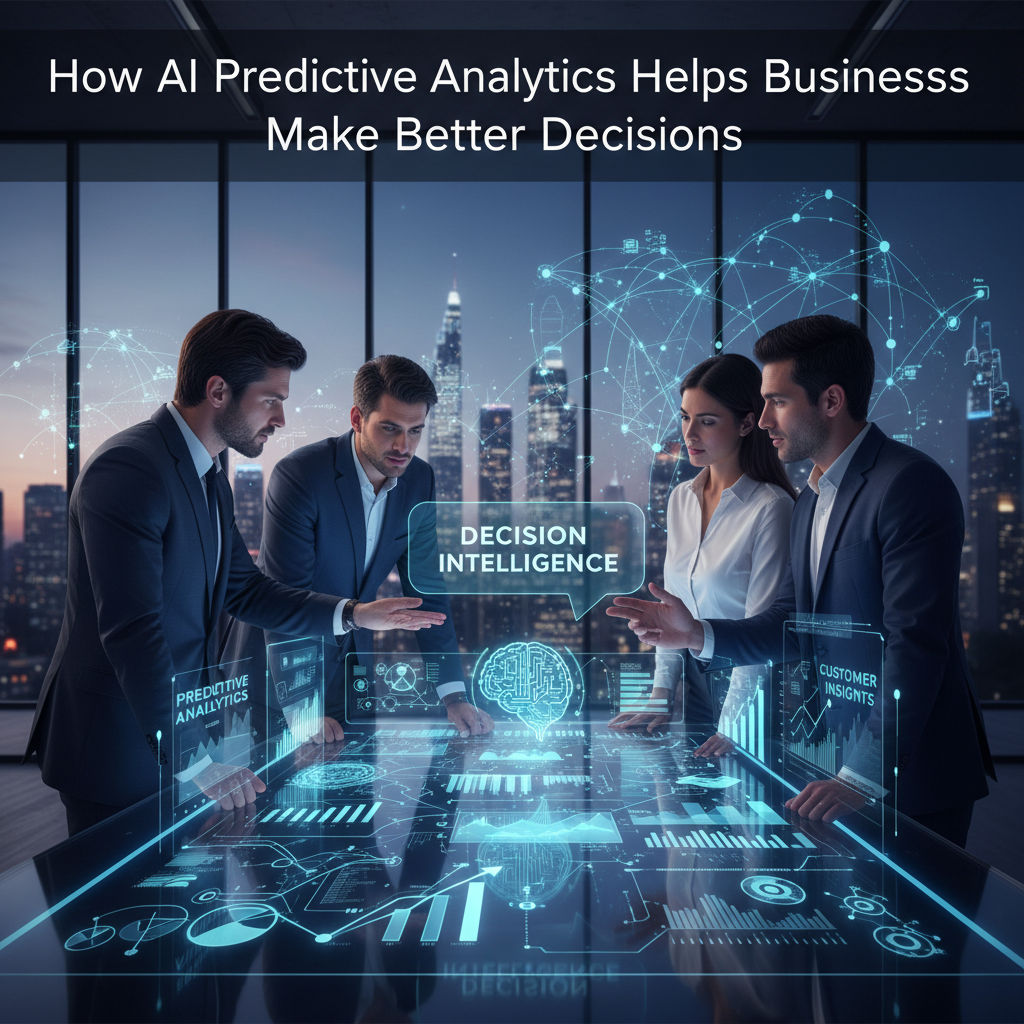
How AI Predictive Analytics Helps Businesses Make Better Decisions
In today’s fast-paced corporate environment, relying solely on intuition or basic historical reporting is no longer enough to stay competitive. Organizations are swimming in massive volumes of data, yet many struggle to translate that information into meaningful action. This is where artificial intelligence steps in to reshape the landscape. By leveraging advanced machine learning algorithms, companies can move past traditional hindsight and embrace true foresight, transforming raw numbers into strategic advantages.
Understanding AI Predictive Analytics
At its core, artificial intelligence predictive analytics combines historical data, statistical algorithms, and machine learning techniques to identify the likelihood of future outcomes. Unlike generative tools that create new text or media, predictive models focus entirely on analyzing existing patterns to anticipate what will happen next. These systems examine complex, multi-dimensional datasets far quicker than any human team could manage, uncovering subtle trends and non-linear relationships that traditional spreadsheets routinely miss.
Moving From Reactive to Proactive
Historically, corporate decision-making has been largely reactive. Leaders would wait for a problem to occur—such as a sudden drop in sales, a supply chain bottleneck, or equipment failure—and then scramble for a fix. Predictive systems flip this script entirely. By forecasting equipment breakdowns before they happen or anticipating seasonal demand shifts, companies can take preventative measures, minimize risks, and optimize resource allocation long before issues escalate.

Core Business Applications
The versatility of machine learning forecasting makes it valuable across virtually every department within an enterprise. Organizations harness these capabilities to streamline workflows and boost overall efficiency.

- Supply Chain Optimization: Forecasting consumer demand accurately allows firms to minimize overstocking, reduce storage costs, and prevent frustrating stockouts.
- Financial Planning: Finance teams utilize multi-dimensional forecasting scenarios to navigate market volatility, assess credit risks, and plan dynamic budgets.
- Targeted Marketing: By examining past consumer purchasing behaviors, brands can tailor campaigns and product recommendations to fit individual buyer preferences.
Overcoming Implementation Challenges
While the benefits are clear, successfully integrating predictive models requires careful planning. Organizations must ensure their data pipelines are clean, organized, and accessible. Disjointed or siloed databases will only yield skewed forecasts. Furthermore, fostering a culture of data literacy ensures that managers and executives know how to interpret machine-driven insights and apply them effectively to everyday workflows.
The Future of Strategic Foresight
Ultimately, incorporating artificial intelligence into forecasting processes empowers leaders to act with confidence. By bridging the gap between raw data and strategic execution, companies unlock unprecedented levels of efficiency, reduce operational costs, and secure a lasting competitive edge in an increasingly unpredictable marketplace.