
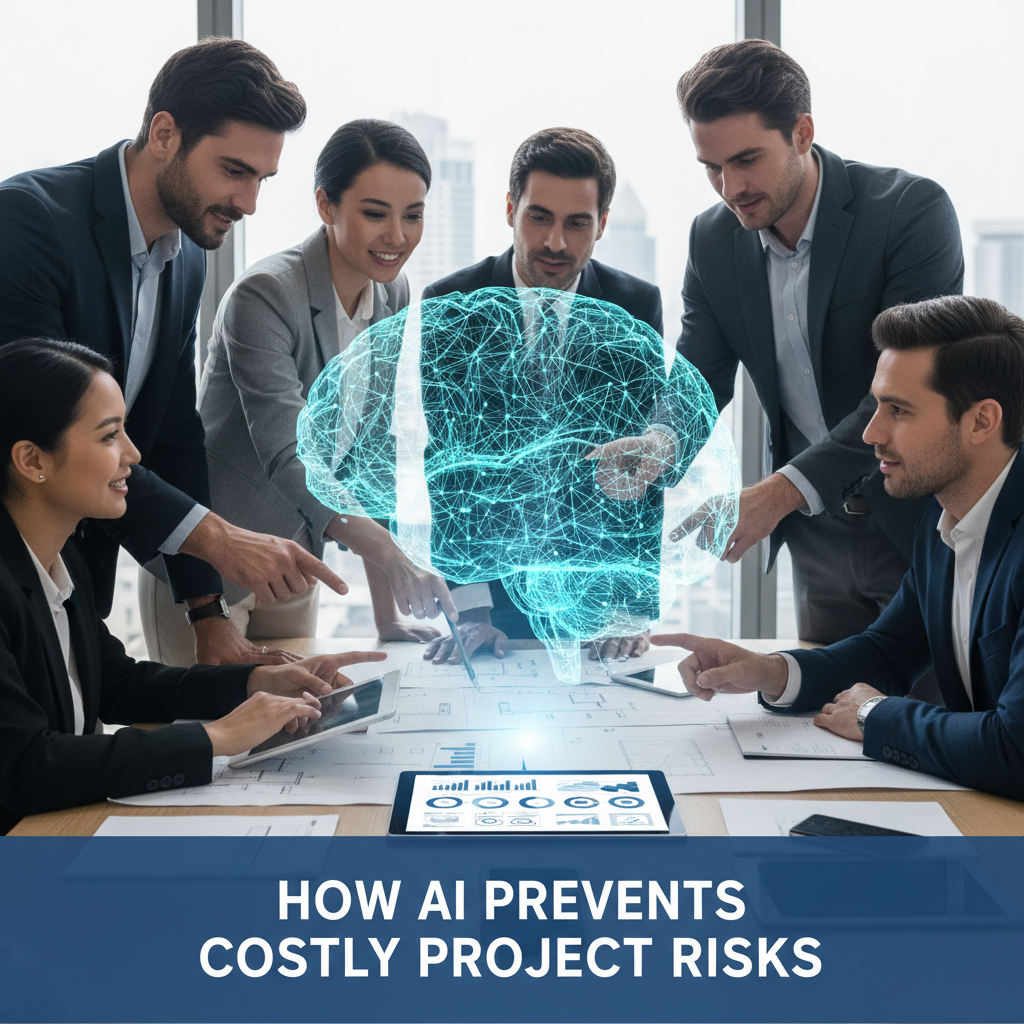
How AI Prevents Costly Project Risks
Introduction to Predictive Project Management
Every project manager knows the sinking feeling of watching a well-planned initiative derail due to unforeseen obstacles. Scope creep, budget overruns, and missed deadlines have plagued organizations for decades. However, the corporate landscape is undergoing a massive shift thanks to artificial intelligence. By leveraging advanced data analytics and machine learning, modern enterprises can now forecast potential roadblocks long before they materialize into expensive crises. This proactive approach not only safeguards profit margins but also ensures smoother execution from inception to completion.
The Power of Historical Data Analysis
One of the primary ways artificial intelligence revolutionizes risk management is through deep historical analysis. Traditional planning relies heavily on human intuition and past experiences, which are often prone to cognitive bias and incomplete memory. In contrast, intelligent algorithms can comb through thousands of previous projects in seconds. They identify subtle patterns, common failure points, and correlation metrics that humans might easily overlook.
Spotting Patterns Humans Miss
Machine learning models excel at recognizing complex datasets. When evaluating a new proposal, an intelligent system can compare its parameters against historical archives to flag warning signs. For instance, if past projects with tight timelines and under-resourced development teams failed 70% of the time, the software will immediately issue an alert. This data-driven foresight empowers leadership teams to adjust their strategies, reallocate resources, or renegotiate timelines before committing vital capital.

Real-Time Monitoring and Early Warnings
Identifying historical trends is only half the battle; managing ongoing developments requires constant vigilance. Automated monitoring tools track daily progress, team velocity, budget consumption, and external market shifts in real time. Instead of waiting for a monthly review meeting to discover a delay, managers receive instant notifications the moment a metric drifts outside acceptable parameters.

- Continuous tracking of resource allocation and team workload
- Automated budget variance detection to prevent financial drain
- Sentiment analysis on stakeholder communications to gauge satisfaction
- Dynamic timeline adjustments based on current output velocity
Enhancing Decision-Making and Resource Allocation
When an alert is triggered, intelligent systems do more than just complain about a problem—they often provide actionable recommendations. By running simulations and scenario analyses, these platforms can suggest optimal corrective actions. Whether it involves shifting personnel to a bottleneck task or adjusting technical requirements to save time, leadership gains a trusted digital advisor that helps steer the initiative back on course.
Embracing the Future of Work
Integrating machine learning into project management workflows is no longer a futuristic concept reserved for tech giants; it is an accessible necessity for businesses of all sizes. By shifting from reactive firefighting to predictive prevention, organizations can protect their bottom line, boost team morale, and deliver exceptional results consistently. Embracing these advanced tools means turning uncertainty into a manageable, calculated science.