From Chatbots to Autonomous Agents: The Evolution of AI‑Driven Business Automation
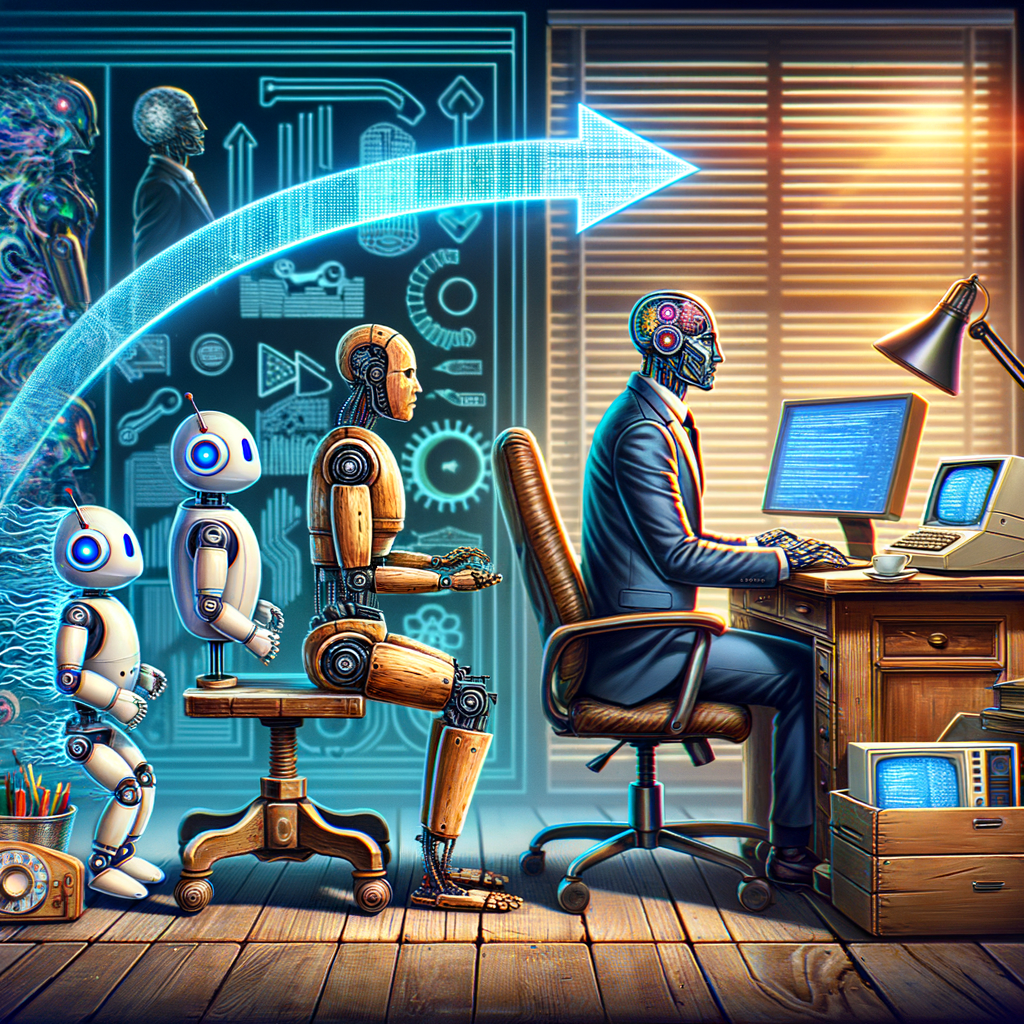
Artificial intelligence has revolutionized the way businesses operate, transforming everyday processes into efficient, intelligent workflows. From chatbots to autonomous agents, AI-driven business automation has come a long way, continuously reshaping industries and setting new standards for productivity and customer engagement. This evolution is not just a story of technological advancement but also a narrative about how organizations adapt to changing market dynamics and customer expectations by harnessing AI capabilities.
The Early Days: Chatbots as the First Step in AI Business Automation
The journey toward AI-driven business automation began with relatively simple technologies—chatbots. These early AI tools were primarily designed to handle routine customer service interactions, providing quick responses to frequently asked questions and guiding users through basic processes. Chatbots introduced businesses to the idea of 24/7 availability without the need for human agents to be constantly present.
While basic chatbots could only handle predefined scripts and lacked deep understanding, they laid the groundwork for more sophisticated conversational AI. Their success demonstrated that AI could effectively reduce operational costs, enhance customer satisfaction, and free up human employees for more complex tasks. As natural language processing (NLP) and machine learning models improved, chatbots evolved into more intelligent virtual assistants capable of understanding context, managing multi-turn conversations, and integrating with backend systems.

Moving Beyond Chatbots: The Rise of Intelligent Automation
The next phase in AI-driven business automation saw the integration of chatbots with robotic process automation (RPA) and machine learning algorithms. This combination enabled businesses not just to interact with customers but to automate complex workflows internally. For example, intelligent automation could process invoices, manage supply chain logistics, or even assist in HR onboarding processes without human intervention.

The key difference between simple chatbots and these newer systems lies in autonomy and adaptability. Intelligent automation tools are designed to learn from data, optimize processes, and make decisions based on real-time information. This shift allowed companies to tackle inefficiencies across departments and improve compliance, accuracy, and speed in their operations.
Autonomous Agents: The Future of AI-Driven Business Automation
The evolution from chatbots to autonomous agents marks a significant milestone in business automation. Autonomous agents are AI systems capable of independently performing complex tasks that require reasoning, planning, and interaction across multiple environments. Unlike traditional automation, which follows rigid rules, autonomous agents adapt dynamically to changing conditions and unforeseen challenges.
For businesses, autonomous agents offer the promise of end-to-end automation that requires minimal human oversight. In customer service, for instance, these agents can proactively identify customer needs, initiate conversations, resolve issues, and even upsell products or services—all while learning and improving over time. In supply chain management, autonomous agents can forecast demand, coordinate with suppliers, and optimize inventory levels in real-time.
These capabilities are made possible through advances in deep learning, reinforcement learning, and multi-agent collaboration. Autonomous agents leverage vast datasets and contextual understanding to perform actions that previously required human intuition and experience.
Benefits and Challenges of AI-Driven Business Automation
The transition to AI-driven automation—from chatbots to autonomous agents—brings numerous advantages to businesses:
- Increased Efficiency: Automation accelerates workflows, reduces errors, and frees employees to focus on strategic tasks.
- Cost Savings: Reducing manual labor and streamlining operations lower operational expenses.
- Enhanced Customer Experience: AI-powered systems provide faster, personalized responses and anticipate customer needs.
- Scalability: Automated solutions can easily scale with business growth without proportional increases in workforce.
However, adopting autonomous AI solutions also presents challenges:
- Complex Integration: Combining AI with existing legacy systems requires careful planning and technical expertise.
- Data Privacy and Security: Handling sensitive data demands robust safeguards and compliance with regulations.
- Change Management: Employees and leadership must adapt to new workflows and trust AI decision-making.
- Ethical Considerations: Transparency and accountability in AI actions are crucial to maintain trust and fairness.
Preparing for the Next Wave of AI-Driven Automation
As AI technology continues to evolve, businesses should prepare to embrace increasingly autonomous systems that redefine their operations. This involves:
- Investing in AI Literacy: Training teams to understand AI capabilities and limitations fosters better collaboration with AI tools.
- Building Flexible Infrastructure: Cloud platforms and APIs enable seamless integration and scaling of AI solutions.
- Prioritizing Data Quality: High-quality data fuels effective AI models and accurate decision-making.
- Focusing on Human-AI Collaboration: Combining human creativity with AI efficiency leads to the best outcomes.
Conclusion
The evolution from chatbots to autonomous agents highlights a remarkable transformation in AI-driven business automation. What began as simple tools for handling basic interactions has grown into sophisticated, independent systems capable of managing entire workflows and driving strategic growth. Businesses that recognize and adapt to this ongoing change will unlock new opportunities for innovation, efficiency, and customer engagement, positioning themselves at the forefront of the AI-powered future.