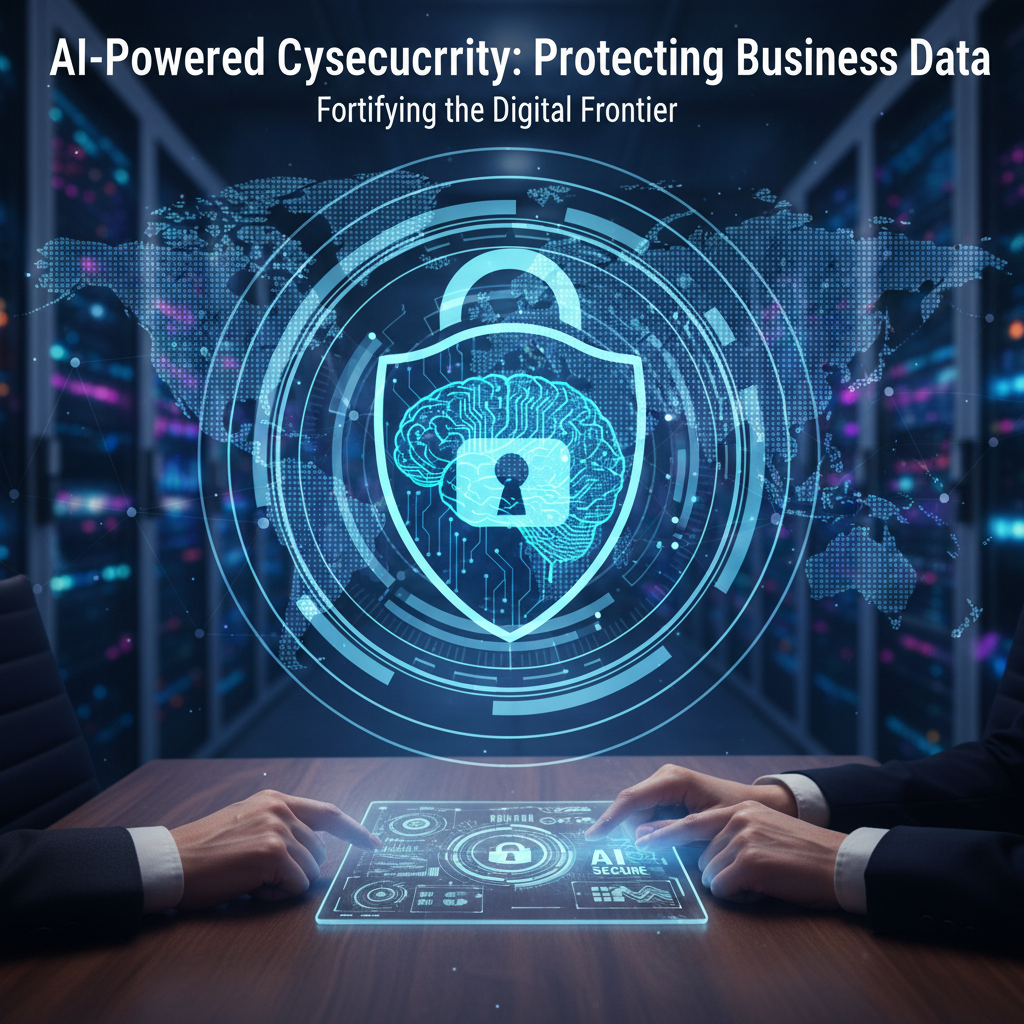
AI-Powered Cybersecurity: Protecting Business Data
In today’s hyper-connected digital landscape, safeguarding sensitive enterprise assets has become more complex than ever before. Traditional defense mechanisms rely heavily on reactive protocols, waiting for a breach to occur before deploying a fix. However, cybercriminals are increasingly utilizing advanced algorithms to orchestrate automated, multi-layered attacks against unsuspecting enterprises. To stay ahead of these evolving threats, organizations are turning to artificial intelligence and machine learning to fortify their digital perimeters. This shift toward intelligent defense systems represents a fundamental transformation in how modern organizations approach digital resilience and data privacy.
The Evolution of Cyber Threats
The sheer volume of daily digital transactions generates an overwhelming amount of information, making manual monitoring virtually impossible for human security teams. Malicious actors exploit this complexity by launching sophisticated malware, zero-day exploits, and targeted social engineering schemes that bypass legacy security controls. Standard rule-based firewalls often fail to recognize novel attack patterns, leaving critical infrastructure vulnerable to prolonged intrusions. Consequently, businesses need autonomous systems capable of learning from ongoing network activities to detect anomalies in real time.
Why Legacy Systems Fall Short
Legacy security tools operate on predefined signatures of known threats. If a piece of malware has not been cataloged previously, the system may allow it to pass unhindered. Furthermore, the sheer speed at which modern breaches propagate means that human response times are often too slow to mitigate damage effectively. Organizations require dynamic solutions that adapt autonomously to unprecedented threat vectors without requiring constant manual intervention.

How Artificial Intelligence Transforms Defense
Integrating machine learning into security infrastructure allows organizations to shift from a reactive stance to a proactive posture. These intelligent platforms continuously analyze baseline user behavior and network traffic, instantly flagging deviations that suggest unauthorized access or insider threats. By automating threat detection, security personnel can redirect their focus toward strategic planning and high-level risk management rather than drowning in false-positive alerts.

Key Benefits of Intelligent Security
- Real-Time Threat Detection: Machine learning models process vast data streams instantly to identify suspicious activities before damage occurs.
- Automated Incident Response: Systems can autonomously isolate compromised endpoints, minimizing dwell time and containing breaches swiftly.
- Behavioral Analytics: Advanced algorithms establish normal user patterns, making it easier to spot credential theft and abnormal data exfiltration.
- Reduced False Positives: Intelligent tuning reduces alert fatigue, allowing security analysts to concentrate on genuine risks.
Best Practices for Implementation
Adopting automated defense mechanisms requires a strategic approach. Leadership must first audit existing data architecture to ensure that information streams are clean, accessible, and properly labeled for machine learning consumption. Additionally, fostering a culture of continuous learning ensures that staff members understand how to interpret AI-generated insights and collaborate effectively with automated tools.
Building a Resilient Future
Ultimately, safeguarding enterprise assets in a digital age requires blending human expertise with machine intelligence. While algorithms excel at processing data at scale, human oversight remains vital for ethical decision-making and contextual evaluation. By striking the right balance, organizations can navigate the digital frontier securely and maintain the trust of their customers and stakeholders.