From Chatbots to Autonomous Agents: The Evolution of AI‑Driven Business Automation
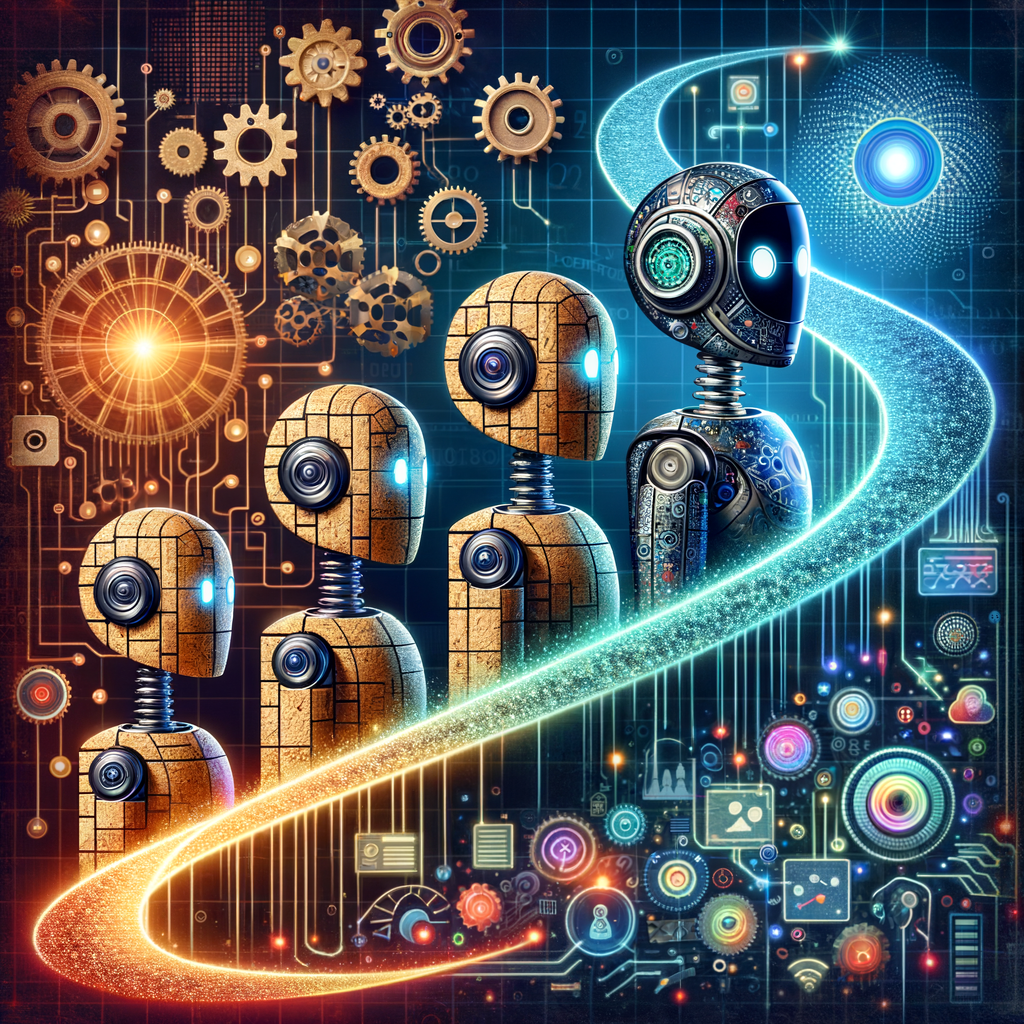
Artificial intelligence (AI) has dramatically transformed the way businesses operate, moving from simple task automation to complex decision-making systems. This evolution, marked by the progression from chatbots to autonomous agents, showcases the growing sophistication of AI-driven business automation. Understanding this journey helps businesses appreciate how far AI has come and what future possibilities lie ahead.
The Rise of Chatbots: The First Step in AI-Driven Automation
Chatbots were among the first widely adopted AI tools in business automation. These conversational agents, powered by natural language processing (NLP), enabled companies to automate customer service interactions and handle routine inquiries around the clock. Early chatbots primarily used scripted responses, but modern versions leverage machine learning to understand user intent and provide more personalized, context-aware replies.
The impact of chatbots has been significant: they reduce wait times, increase customer satisfaction, and lower operational costs. For example, e-commerce companies use chatbots to assist with order tracking and product recommendations, freeing human agents to focus on complex issues. However, despite their usefulness, chatbots have limitations—they often struggle with ambiguous queries or tasks requiring deep understanding.

Beyond Chatbots: The Emergence of Intelligent Process Automation
As businesses sought to automate more complex workflows, the next phase in AI-driven automation emerged: intelligent process automation (IPA). IPA combines robotic process automation (RPA) with AI capabilities such as machine learning and computer vision to automate end-to-end business processes.

Unlike chatbots, IPA tools can handle structured and unstructured data, make decisions based on patterns, and learn from new information. For example, in the finance sector, IPA can automate invoice processing by extracting data from scanned documents, validating it against purchase orders, and initiating payments with minimal human intervention. This capability enhances accuracy and speed while reducing manual workload.
Autonomous Agents: The Future of AI-Driven Business Automation
Taking automation a step further, autonomous agents represent a new frontier. These AI systems can independently perform complex tasks, learn from their environment, and adapt strategies in real time without constant human oversight. Unlike chatbots and IPA, which are typically rule-based or semi-autonomous, autonomous agents operate with a high degree of independence.
In business contexts, autonomous agents can manage supply chains, optimize marketing campaigns, or even negotiate contracts. For instance, an autonomous agent in supply chain management can monitor inventory levels, predict demand fluctuations, and autonomously place orders with suppliers to prevent stockouts or overstock situations.
Key Advantages of Autonomous Agents in Business Automation
- Adaptive Learning: Autonomous agents continually improve by analyzing outcomes and adjusting their actions, which leads to better decision-making over time.
- Scalability: They can manage complex systems involving multiple variables, making them suitable for large-scale operations.
- Reduced Human Intervention: Autonomous agents free human workers from routine monitoring and intervention, allowing them to focus on strategic initiatives.
- Real-Time Responsiveness: They can respond promptly to dynamic changes in the business environment, maintaining efficiency and agility.
Challenges and Considerations
While the evolution towards autonomous agents promises substantial benefits, businesses must also navigate challenges:
- Trust and Transparency: As AI systems gain autonomy, understanding their decision-making processes becomes crucial to build trust.
- Ethical Implications: Autonomous agents raise questions about accountability, especially when decisions impact customers or employees.
- Integration Complexity: Deploying autonomous agents requires integrating with existing IT infrastructure and ensuring data quality.
- Security Risks: Increased automation can introduce vulnerabilities that malicious actors might exploit.
Preparing for the AI-Driven Future
To harness the full potential of AI-driven business automation, organizations should adopt a strategic approach:
- Assess Automation Readiness: Identify processes suitable for automation and evaluate data maturity.
- Invest in AI Talent and Tools: Equip teams with the skills and technology needed to develop and manage AI systems.
- Prioritize Ethical AI Practices: Implement guidelines to ensure transparency, fairness, and accountability.
- Start Small, Scale Gradually: Pilot autonomous agents in controlled environments before expanding their scope.
Conclusion
The path from chatbots to autonomous agents illustrates a remarkable evolution in AI-driven business automation. What started as simple conversational tools has grown into sophisticated systems capable of making autonomous decisions that optimize entire business operations. As AI technology continues to advance, organizations that embrace these innovations thoughtfully will gain a competitive edge, drive efficiency, and unlock new growth opportunities. The future of business automation is not just intelligent—it’s autonomous.