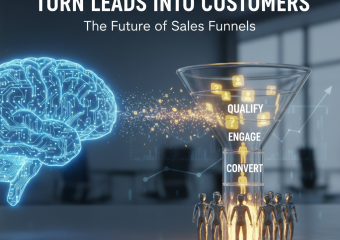

How AI-Powered Customer Support Builds Trust and Boosts Sales
In today’s fast-paced digital marketplace, consumers expect immediate answers and seamless interactions. When a customer encounters an issue on an e-commerce site or seeks clarification about a software feature, waiting hours for an email response is no longer acceptable. This evolving landscape has made efficient customer service a critical differentiator for modern brands. Enter artificial intelligence, a transformative force reshaping how organizations interact with their audience. By implementing intelligent automation, companies are discovering that advanced support systems do more than just resolve complaints—they actively build enduring brand loyalty and drive revenue growth.
The Evolution of Consumer Expectations
Modern buyers are more informed and demanding than ever before. They value their time immensely, meaning friction-free experiences often dictate where they spend their money. Traditional support channels, while valuable, frequently struggle with high inquiry volumes, leading to long wait times and frustrated users. When a business fails to respond quickly, it risks losing potential buyers to competitors who are just a click away.
Artificial intelligence bridges this gap by offering instant, accurate assistance around the clock. Whether it is midnight on a Sunday or a bustling holiday shopping morning, smart assistants can handle thousands of simultaneous inquiries without breaking a sweat. This reliability ensures that no customer ever feels ignored, laying the foundation for a positive relationship.

Building Lasting Trust Through Transparency and Speed
Trust is the bedrock of any successful commercial relationship. Consumers want to know that a brand values their time and stands behind its offerings. Intelligent automation enhances trust in several distinct ways:

- Instant Availability: Providing 24/7 support demonstrates commitment to customer satisfaction.
- Consistent Accuracy: Automated systems pull from verified knowledge bases, minimizing human error and incorrect advice.
- Personalized Interactions: Modern tools analyze past purchase history to tailor recommendations and troubleshooting steps.
When users receive correct answers immediately, their confidence in the brand grows. They feel understood and respected, which transforms casual shoppers into loyal brand advocates who are happy to return for future purchases.
How Intelligent Support Translates to Higher Sales
While improving satisfaction scores is vital, businesses ultimately need to see a positive impact on their bottom line. Artificial intelligence directly influences sales conversions by removing obstacles in the buyer journey and capitalizing on real-time opportunities.
Guiding Hesitant Shoppers
Cart abandonment remains one of the biggest hurdles for online retailers. Often, shoppers leave items behind simply because they have a lingering question about sizing, shipping costs, or compatibility. Smart chat widgets proactively engage these hesitant visitors, offering timely assistance that clears up confusion and encourages them to complete the transaction.
Smart Upselling and Cross-Selling
Unlike traditional static web pages, intelligent support systems can understand context during a conversation. If a customer inquires about a specific camera model, the system can intelligently suggest compatible lenses or protective gear based on what similar buyers prefer. This approach feels like helpful advice from a knowledgeable shop assistant rather than aggressive sales tactics.
Striking the Right Balance: AI and Human Collaboration
A common misconception is that automation completely replaces human agents. In reality, the most successful implementations use a hybrid model. Routine queries like tracking orders, resetting passwords, or checking store hours are handled seamlessly by intelligent systems. Meanwhile, complex or emotionally charged issues are routed smoothly to human representatives.
This division of labor empowers human agents to focus on high-value tasks that require empathy, creative problem-solving, and deep strategic thinking. Customers get the best of both worlds: instant answers for simple questions and empathetic human care for intricate challenges.
Looking Ahead
As technology continues to mature, the gap between businesses that embrace smart automation and those that cling strictly to legacy methods will only widen. Companies that integrate these advanced tools into their service workflows are not just cutting operational costs; they are creating a superior customer journey. By fostering deep trust and driving higher conversion rates, artificial intelligence has firmly established itself as an indispensable asset for businesses aiming to thrive in a competitive marketplace.